

Introduction
Starting a business that is profitable in India can be an exciting and rewarding venture. With its vast consumer market, growing economy, and entrepreneurial spirit, India offers numerous opportunities for aspiring business owners.

However, to set up business in India, it is essential to identify the most profitable sectors and understand the key factors that contribute to business success. By selecting the right industry, conducting market research, and developing a solid business plan, entrepreneurs can set themselves up for success and create a profitable business in India.
Types of Businesses in India
In India, there are various types of businesses that entrepreneurs can start, catering to different industries, sectors, and target markets. Here are some common types of businesses in India:
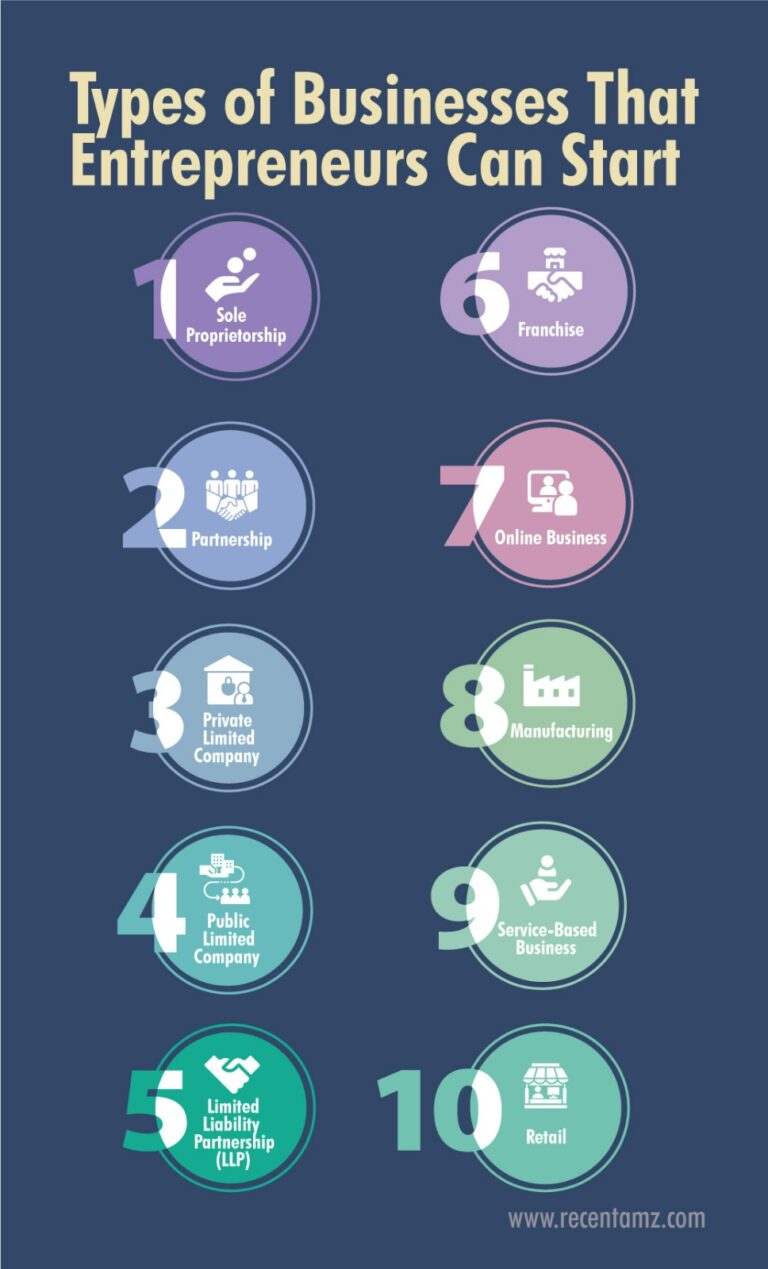
1. Sole Proprietorship
A sole proprietorship is the simplest form of business ownership, where an individual owns and operates the business. It is easy to set up, has minimal legal formalities, and allows for direct control and decision-making.

2. Partnership

A partnership is a business structure where two or more individuals come together to start and manage a business. Partners share the profits, losses, and responsibilities based on the terms outlined in a partnership agreement.
3. Private Limited Company
A private limited company is a separate legal entity with limited liability. It requires at least two directors and shareholders, and the company’s shares cannot be publicly traded. Private limited companies are regulated by the Companies Act and offer flexibility in terms of raising funds and expansion.
4. Public Limited Company
A public limited company is a publicly traded entity, allowing its shares to be bought and sold by the general public. It requires a minimum of three directors and seven shareholders. Public limited companies have stricter compliance and regulatory requirements.
5. Limited Liability Partnership (LLP)

An LLP is a hybrid business structure that combines the benefits of a partnership and a limited liability company. It offers limited liability protection to its partners, flexibility in management, and ease of doing business.
6. Franchise

Franchising involves obtaining the right to operate a business model or brand under specific terms and conditions set by the franchisor. It allows entrepreneurs to leverage an established brand, products, and support systems.
7. Online Business
With the growth of e-commerce, many entrepreneurs are starting online businesses, such as e-commerce stores, digital services, or online marketplaces. These businesses leverage the internet to reach a wider audience and conduct transactions.
8. Manufacturing
Manufacturing businesses involve the production of goods or products. It can range from small-scale manufacturing units to large industrial setups, catering to various industries such as textiles, electronics, automotive, and more.
9. Service-Based Business
Service-based businesses provide professional or specialized services to clients or customers. This can include sectors such as consulting, IT services, healthcare, education, hospitality, and many others.
10. Retail
Retail businesses involve the sale of goods directly to consumers. This can include physical retail stores, online retail platforms, or a combination of both.
Starting a business in India involves understanding the specific legal and regulatory requirements based on the chosen business structure. Entrepreneurs should research and comply with the necessary steps, such as registering the business, obtaining necessary licenses, and fulfilling tax obligations. Consulting with professionals or seeking guidance from government agencies can help navigate the process effectively.
Essential Steps to Start a Business in India
Starting a business in India involves several essential steps that entrepreneurs should follow to ensure a smooth and successful launch:
1. Identify a Business Idea

The first step is to identify a viable business idea that aligns with your interests, skills, and market demand. Conduct market research to validate the idea and assess its potential profitability.
2. Create a Business Plan
Develop a comprehensive business plan that outlines your business objectives, target market, competitive analysis, marketing and sales strategies, financial projections, and operational plans. A well-structured business plan will guide your decision-making and attract potential investors or lenders.
3. Register Your Business
Choose a suitable legal structure for your business, such as a sole proprietorship, partnership, or private limited company, and register it with the appropriate government authorities. Obtain necessary licenses and permits based on the nature of your business.
4. Secure Funding

Determine the financial requirements of your business and explore funding options. This can include self-funding, loans from banks or financial institutions, venture capital, or seeking investments from angel investors or crowdfunding platforms.
5. Set up Business Operations
Establish a physical or virtual location for your business, set up the necessary infrastructure, and acquire any required equipment or technology. Hire employees as per your business needs and comply with employment laws and regulations.
6. Develop a Marketing Strategy

Create a marketing plan to promote your products or services to your target audience. Leverage digital marketing, social media, and traditional advertising methods to raise awareness and attract customers.
7. Comply with Legal and Tax Obligations
Ensure compliance with all legal and tax requirements, including obtaining a tax identification number, registering for Goods and Services Tax (GST), and maintaining proper financial records.
8. Secure Intellectual Property Rights
Protect your intellectual property by obtaining patents, trademarks, or copyrights, if applicable, to safeguard your unique ideas, inventions, or creative works.
9. Build a Network and Partnerships

Network with industry professionals, potential customers, suppliers, and other stakeholders to build relationships and explore partnership opportunities. Attend industry events, join trade associations, and engage in community activities to expand your business network.
10. Monitor & Adapt
Continuously monitor the market, consumer preferences, and industry trends to stay ahead of the competition. Regularly assess your business performance, gather customer feedback, and make necessary adjustments to your products, services, or strategies to ensure long-term success.
Starting a business in India requires careful planning, research, and adherence to legal and regulatory requirements. By following these essential steps, entrepreneurs can increase their chances of launching a successful and sustainable business venture in the Indian market.
How to Decide Which Business to Start in India?
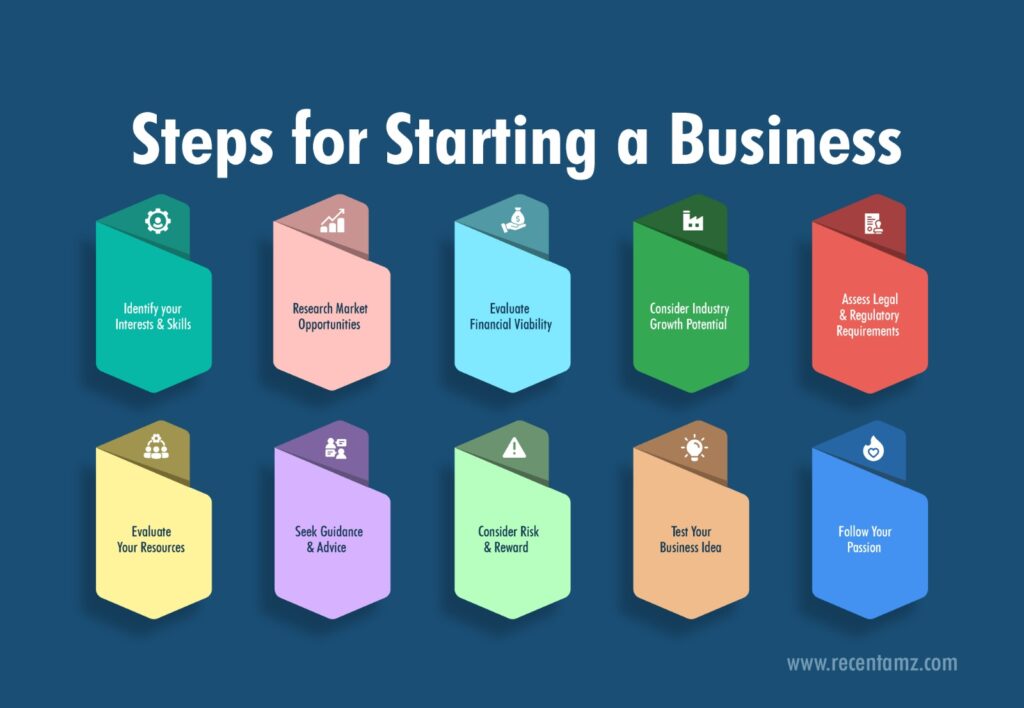
Deciding which business to start in India requires careful consideration and analysis. Here are some essential steps to help you make an informed decision:
1. Identify your Interests & Skills
Start by assessing your own interests, skills, and expertise. Consider what you are passionate about and what you excel at. This will help you choose a business that aligns with your strengths and keeps you motivated.
2. Research Market Opportunities

Conduct market research to identify potential business opportunities. Analyze market trends, consumer demands, and competition in different sectors. Look for gaps or unmet needs that you can address with your business idea.
3. Evaluate Financial Viability

Assess the financial viability of your business idea. Consider the initial investment required, ongoing operational costs, and potential revenue streams. Determine if you have the necessary funds or if you need to seek external financing options.
4. Consider Industry Growth Potential
Look for industries that are experiencing growth and have long-term sustainability. Consider factors such as market size, potential for expansion, and future prospects. This can help you choose a business that has a higher chance of success.
5. Assess Legal & Regulatory Requirements
Understand the legal and regulatory requirements associated with different business types. Research the licenses, permits, and registrations necessary to operate in your chosen industry. Ensure that you comply with all legal obligations to avoid any future complications.
6. Evaluate Your Resources
Evaluate your available resources, including your network, skills, and support system. Consider if you have the necessary knowledge, expertise, and connections to establish and run the business successfully. Assess if you need to acquire additional resources or seek partnerships.
7. Seek Guidance & Advice

Consult with professionals, mentors, or business advisors who can provide guidance and insights. They can help you assess the feasibility of your business idea, offer valuable advice, and help you make an informed decision.
8. Consider Risk & Reward
Evaluate the potential risks and rewards associated with your chosen business idea. Assess the competitive landscape, market volatility, and other risk factors. Consider if you are willing to take calculated risks and handle the challenges that may arise.
9. Test Your Business Idea
Consider testing your business idea on a smaller scale before committing fully. This can involve conducting pilot projects, surveys, or seeking feedback from potential customers. It will help validate your business concept and make necessary adjustments.
10. Follow Your Passion
Ultimately, choose a business that aligns with your passion and long-term goals. Starting a business and running it requires dedication and perseverance. Being passionate about your chosen venture will drive your motivation and increase your chances of success.
Remember, starting a business in India requires compliance with legal and regulatory requirements. Familiarize yourself with the steps involved in setting up a business, such as company registration, obtaining necessary licenses, and fulfilling tax obligations. Seeking professional advice can further assist you in navigating these processes effectively.
Some of the Most Profitable Businesses in India
India offers a diverse range of profitable business opportunities. Here are some of the most profitable businesses in India:
1. E-commerce

With the rise of internet usage and digital transactions, starting an e-commerce business can be highly lucrative. From selling products online to providing online services, e-commerce offers immense potential for growth and profitability.
2. Food & Beverage Industry
The food and beverage industry in India is thriving, driven by a growing middle class and changing consumer preferences. Establishing a restaurant, food delivery service, or specialized food product business can be highly profitable, especially in urban areas.
3. Renewable Energy

India is actively promoting renewable energy sources to meet its energy demands. Starting a business in solar power, wind energy, or biofuels can be highly profitable due to government incentives and the increasing focus on sustainable energy solutions.
4. Healthcare Services
The healthcare industry in India is witnessing rapid growth, driven by increasing healthcare needs and rising awareness. Starting a business in healthcare-related field, such as a diagnostic center, home healthcare service, or specialized medical clinic, can be highly profitable.
5. Education & Skill Development

India has a large and growing population that values education and skill development. Starting a business such as educational institution, tutoring service, vocational training center, or online learning platform can be highly profitable, catering to the demand for quality education and skill enhancement.
6. Information Technology

The IT industry in India is one of the fastest-growing sectors, with significant opportunities for software development, IT consulting, and digital solutions. Starting a business in IT, such as software development, IT services, or digital marketing, can be highly profitable.
7. Real Estate

India’s real estate sector continues to offer lucrative opportunities, especially in rapidly developing cities and towns. Investing in residential or commercial real estate, property development, or property management can yield substantial returns over time.
8. Tourism & Hospitality
India’s rich cultural heritage and diverse tourist attractions make tourism and hospitality a profitable sector. Establishing a hotel, resort, travel agency, or tour guide service can tap into the growing domestic and international tourism market.
9. Organic & Natural Products
With increasing health consciousness and demand for organic and natural products, starting a business in organic farming, organic food products, herbal and ayurvedic products, or natural personal care items can be highly profitable.
10. Waste Management & Recycling
India’s focus on sustainability and waste management presents opportunities in the recycling and waste management sector. Starting a business in waste management, recycling, or upcycling can contribute to both profitability and environmental conservation.
Before starting a business, thorough market research, understanding the target audience, and developing a comprehensive business plan are essential. Compliance with legal and regulatory requirements is also crucial. Seek professional guidance and consider the specific steps involved in starting a business in India to ensure a smooth and profitable venture.
Potential of Franchising as a Business Opportunity in India
Franchising offers significant potential as a business opportunity in India due to its established business model and brand recognition. Entrepreneurs can leverage the success and reputation of established franchisors to start their own businesses.

Franchising allows individuals to access proven systems, marketing support, and training, reducing the risks associated with starting a business from scratch. With a wide range of franchise options available across various industries, franchising provides a lucrative avenue for aspiring business owners in India. However, thorough research, understanding of the franchise agreement, and compliance with legal requirements are essential before investing in starting a business opportunity in a franchising.
Conclusion
Starting a business that is profitable in India requires careful planning, market research, and a deep understanding of the chosen industry. By identifying profitable sectors, conducting thorough market research, creating a solid business plan, building a strong team, and adapting to changing market conditions, entrepreneurs can set themselves up for success. While starting a business comes with risks, the right strategy, passion, and dedication can lead to a profitable and rewarding venture in the Indian market.
So, which business opportunity are you interested in while starting a business in India?
Frequently Asked Questions
What are the advantages of franchising as a business opportunity in India?
Franchising offers several advantages, including access to an established business model, brand recognition, marketing support, and training. It reduces the risks associated with starting a business from scratch and provides a higher chance of success.
How can I choose the right franchise opportunity in India?
Choosing the right franchise opportunity requires thorough research and evaluation. Consider factors such as the reputation and track record of the franchisor, the demand for the product or service, the financial investment required, and the support provided by the franchisor.
What legal requirements do I need to fulfill when starting a franchise business in India?
When starting a franchise business in India, you need to comply with legal requirements such as registering the business, obtaining necessary licenses and permits, and adhering to franchise agreement terms. It is important to consult with legal professionals to ensure compliance with all legal obligations.
How much investment is required to start a franchise business in India?
The investment required to start a franchise business in India varies depending on the industry, brand, and location. It can range from a few lakhs to several crores, including the franchise fee, setup costs, working capital, and marketing expenses. Detailed financial planning is crucial before making any investment decisions.
How can franchising contribute to my business growth in India?
Franchising can contribute to business growth by expanding your brand presence through franchisees who invest in and operate their own units. This allows you to reach new markets and customers without the need for significant capital investment. Franchisees’ local knowledge and dedication can drive business growth and increase profitability.
Leave a Reply