

Nurturing Quality Education: Empowering Individuals for Sustainable Development
Introduction
In today’s rapidly evolving world, quality education stands as a cornerstone for progress and human development. It goes beyond the mere transmission of knowledge and encompasses a holistic approach to learning. Quality education equips individuals with the necessary skills, critical thinking abilities, and values to lead fulfilling lives, contribute to their communities, and navigate the complexities of the modern world. In this blog, we will delve into the definition of quality education, highlight its paramount importance, explore the various dimensions that shape it, and discuss how educators and institutions can work together to achieve this noble goal.
Definition of Quality Education
Quality education can be defined as an all-encompassing educational experience that nurtures intellectual, emotional, social, and moral development. It transcends rote learning and focuses on fostering critical thinking, creativity, and problem-solving skills. Quality education equips individuals with the knowledge and abilities they need to thrive in their personal and professional lives. It empowers learners to break free from the constraints of their circumstances, providing equal opportunities for growth and success.
The Importance of Quality Education

The importance of quality education cannot be overstated. It serves as a powerful catalyst for personal empowerment, societal progress, and sustainable development. Quality education equips individuals with the necessary knowledge, skills, and confidence to pursue their goals and aspirations, breaking the cycle of poverty and opening doors to a brighter future. It promotes social cohesion and peace by fostering understanding, empathy, and respect among individuals from diverse backgrounds.
Quality education also plays a pivotal role in addressing challenges such as poverty, inequality, and climate change. Moreover, it drives economic growth and innovation by equipping individuals with the skills needed for the modern workforce. By nurturing critical thinking, creativity, and entrepreneurial skills, quality education prepares individuals to contribute meaningfully to their communities and build sustainable societies. Investing in quality education is an investment in the well-being and prosperity of individuals, societies, and the world at large. The following are some of the points that emphasize the importance of quality education:
1. Empowerment and Opportunities
Quality education empowers individuals by equipping them with the knowledge, skills, and confidence necessary to pursue their goals and aspirations. It provides equal opportunities for individuals from all socioeconomic backgrounds and genders, enabling them to overcome barriers and reach their full potential. Through quality education, individuals can break the cycle of poverty, improve their economic prospects, and contribute meaningfully to society.
2. Sustainable Development Goals (SDGs)
Quality education plays a pivotal role in achieving the United Nations’ Sustainable Development Goals (SDGs). SDG 4 explicitly focuses on quality education and aims to ensure inclusive and equitable education for all. By prioritizing quality education, governments can address various other SDGs, including eradicating poverty (SDG 1), promoting gender equality (SDG 5), fostering decent work and economic growth (SDG 8), and reducing inequalities (SDG 10). Quality education serves as a foundation for sustainable development, enabling individuals and societies to tackle global challenges.
3. Social Cohesion and Peace
Quality education fosters social cohesion by promoting understanding, empathy, and respect among individuals from diverse backgrounds. It instills values such as tolerance, cooperation, and conflict resolution, which are essential for building peaceful and inclusive societies. By nurturing a culture of inclusivity and respect within educational institutions, quality education contributes to the overall well-being and harmony of communities.
4. Economic Growth and Innovation
Quality education is a catalyst for economic growth and innovation. It equips individuals with the skills and knowledge needed to contribute to the workforce and drive economic progress. By nurturing creativity, critical thinking, and entrepreneurial skills, quality education fosters innovation and positions societies for sustainable economic development. Educated individuals are more likely to secure higher-paying jobs, which, in turn, contributes to poverty reduction and overall societal well-being.
Dimensions of Quality Education
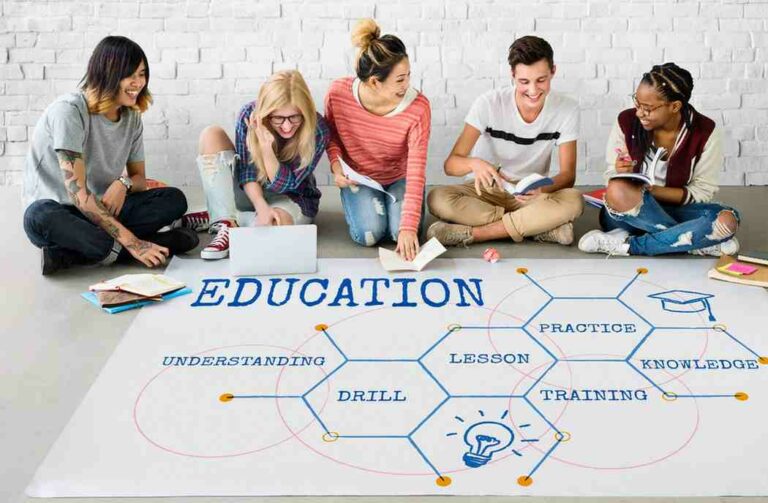
The dimensions of quality education encompass access and equity, relevance and responsiveness, pedagogical excellence, holistic development, and inclusion and diversity as discussed below in detail. Ensuring universal access to education, regardless of background or circumstances, is crucial. Education should be relevant to the needs of learners and the demands of the changing world, promoting critical thinking and lifelong learning.
1. Access and Equity
Ensuring universal access to quality education is paramount. It requires removing barriers that hinder individuals from marginalized communities, remote areas, or disadvantaged backgrounds from accessing educational opportunities. Governments and institutions must address issues such as gender bias, socioeconomic disparities, geographic isolation, and cultural barriers to ensure that education is accessible to all. Efforts should focus on providing equitable access to quality education, regardless of an individual’s social or economic background.
2. Relevance and Responsiveness
Quality education must be relevant and responsive to the needs of learners and the demands of the rapidly changing world. It should equip individuals with the skills, knowledge, and competencies required for success in the modern workforce. Embracing technological advancements, promoting digital literacy, and emphasizing lifelong learning are essential in preparing individuals for the challenges and opportunities of the future. A relevant and responsive education system constantly adapts and evolves to meet the changing needs of learners and society.
3. Pedagogical Excellence
Pedagogical excellence is a key aspect of quality education. It involves employing effective teaching methods, learner-centered approaches, and innovative instructional strategies. Educators must create engaging and inclusive learning environments that foster critical thinking, creativity, collaboration, and communication skills. They should be trained to leverage diverse teaching techniques, adaptive learning strategies, and assessment methods that promote holistic development. Continuous professional development opportunities for educators are crucial to enhancing pedagogical practices and ensuring high-quality education delivery.
4. Holistic Development
Quality education recognizes that individuals are multidimensional beings. It goes beyond academic excellence and encompasses the holistic development of learners. This dimension emphasizes nurturing the cognitive, emotional, social, and ethical aspects of individuals. It instills values such as empathy, respect, cultural understanding, and environmental stewardship. By promoting holistic development, quality education cultivates well-rounded individuals who are capable of making informed decisions and contributing positively to society. It encourages the development of character, ethics, and social responsibility.
5. Inclusion and Diversity
Quality education embraces inclusion and diversity. It celebrates differences, encourages multicultural understanding, and provides equal opportunities for individuals from various backgrounds and abilities. Inclusive education ensures that every learner, regardless of their race, ethnicity, socioeconomic status, language, or physical or cognitive abilities, receives a quality education tailored to their needs. It creates an environment where every student feels valued, respected, and supported.
How Educators and Institutions Can Achieve Quality Education
Educators and institutions play a vital role in achieving quality education. Through comprehensive teacher training and professional development programs, educators can enhance their pedagogical skills and create enriching learning experiences. Curriculum design and evaluation, coupled with a focus on inclusivity and relevance, ensure that education meets the evolving needs of learners. Collaboration and partnerships with stakeholders, including businesses and local communities, can provide valuable support and resources. Finally, investment in infrastructure and resources, along with student-centred approaches, contribute to the achievement of quality education for all.

1. Teacher Training and Professional Development
Educators play a pivotal role in delivering quality education. Therefore, investing in comprehensive teacher training programs is crucial. These programs should focus on enhancing pedagogical skills, cultivating creativity, and promoting continuous professional development. By equipping educators with the necessary knowledge, tools, and support, institutions can ensure that they are well-prepared to create enriching learning experiences. Professional development opportunities should encompass innovative teaching methods, educational technology integration, inclusive classroom practices, and strategies for addressing diverse student needs.
2. Curriculum Design and Evaluation
Curriculum design should be responsive, inclusive, and relevant to the needs of learners and the demands of the world. It should be regularly evaluated and updated to ensure its effectiveness and alignment with the evolving landscape. The curriculum should incorporate interdisciplinary approaches, practical application of knowledge, and real-world problem-solving. By fostering active engagement and curiosity, institutions can inspire a love for learning among students. Moreover, involving learners in the curriculum development process, considering their interests, and providing flexibility can enhance their engagement and sense of ownership in their educational journey.
3. Collaboration and Partnerships
Achieving quality education requires collaboration among educational institutions, policymakers, communities, and stakeholders. Sharing best practices, resources, and expertise fosters innovation and enhances educational outcomes. Partnerships with businesses, civil society organizations, and local communities can provide valuable support, mentorship, and resources to strengthen educational programs. Collaboration also allows for the exchange of ideas and experiences, leading to continuous improvement. Partnerships with parents and guardians are vital in creating a supportive learning environment both at home and in school.
4. Investment in Infrastructure and Resources
Adequate infrastructure, modern facilities, and access to technology are essential for delivering quality education. Governments and institutions should prioritize investment in creating conducive learning environments. They should ensure that educational institutions have well-equipped classrooms, libraries, laboratories, and internet connectivity. Additionally, providing access to quality educational resources, including textbooks, digital content, and learning materials, is crucial for effective teaching and learning. Equal distribution of resources and attention to schools in marginalized areas are essential to address disparities in access to quality education.
5. Student-Centered Approaches
Quality education places students at the center of the learning process. It recognizes that learners have unique needs, interests, and learning styles. Student-centered approaches, such as personalized learning, project-based learning, and inquiry-based learning, foster engagement, critical thinking, and problem-solving skills. Providing opportunities for students to explore their passions, pursue independent research, and collaborate with peers cultivates a sense of ownership and enhances their motivation to learn.
Conclusion
Quality education is a fundamental right and a powerful tool for personal empowerment, societal progress, and sustainable development. By investing in quality education, societies can address the challenges of poverty, inequality, and environmental degradation. Educators and institutions have a crucial role to play in ensuring access to quality education for all individuals. By embracing the dimensions of quality education, promoting equitable access, fostering pedagogical excellence, and nurturing holistic development, educators and institutions can create a brighter future for individuals and build sustainable and prosperous societies. Let us collectively commit ourselves to nurturing quality education and empowering individuals to shape a better world for future generations.
Frequently Asked Questions
What is the definition of quality education?
Quality education goes beyond the mere transmission of knowledge. It encompasses a holistic approach that nurtures intellectual, emotional, social, and moral development. It equips individuals with the necessary skills, critical thinking abilities, and values to lead fulfilling lives, contribute to their communities, and navigate the complexities of the modern world.
Why is quality education important?
Quality education is important because it empowers individuals by providing them with equal opportunities to pursue their goals and aspirations. It plays a pivotal role in achieving the Sustainable Development Goals, addressing challenges such as poverty, inequality, and climate change. Quality education also drives economic growth and innovation, fosters social cohesion, and promotes peace within societies.
What are the dimensions of quality education?
The dimensions of quality education include access and equity, relevance and responsiveness, pedagogical excellence, and holistic development. These dimensions ensure that education is accessible to all, meets the needs of learners and the demands of the changing world, employs effective teaching methods, and nurtures the cognitive, emotional, social, and ethical growth of individuals.
How can educators and institutions achieve quality education?
Educators and institutions can achieve quality education through various strategies. This includes providing comprehensive teacher training and professional development programs to enhance pedagogical skills. They should also focus on designing and evaluating a relevant and responsive curriculum that meets the needs of learners. Collaboration and partnerships with stakeholders, as well as investment in infrastructure and resources, are also essential. Furthermore, adopting student-centered approaches and promoting inclusivity contribute to achieving quality education.
What role does quality education play in achieving sustainable development?
Quality education plays a critical role in achieving sustainable development by addressing challenges such as poverty, inequality, and climate change. It equips individuals with the skills, knowledge, and values necessary to contribute to the workforce and drive economic progress. Quality education also fosters social cohesion, promotes understanding and empathy, and prepares individuals to tackle global challenges and make informed decisions.
Leave a Reply