Introduction
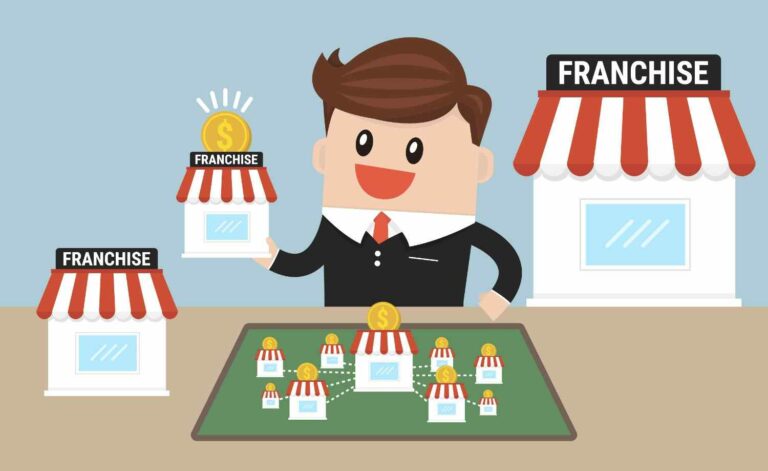
The educational franchise business model is a popular and effective approach in the education sector, particularly in the context of preschools. It offers entrepreneurs the opportunity to leverage a proven business model while delivering quality education to young learners. This franchise model spans across various types of educational businesses, providing a framework for success.

In the preschool franchise business model, entrepreneurs can establish their own preschools while benefiting from the support and expertise of an established brand. This model enables individuals to tap into the brand’s reputation, established curriculum, operational systems, and marketing strategies, minimizing the risks associated with starting a business from scratch.
The franchise business model typically spans for a specific duration, often with renewable terms, ensuring the alignment of goals between the franchisor and franchisee. Franchisees receive comprehensive training, ongoing support, and access to a network of resources, allowing them to focus on delivering high-quality education and nurturing young minds.
A prime example of the educational franchise business model is the Rocksfordz preschool franchise, which provides entrepreneurs with an opportunity to enter the early childhood education sector.
The preschool industry in India is expected to reach a market size of ₹40,000 crores by 2025, while the preschool franchise market in India is growing at a CAGR of 9.57%. The average profit margin for preschool franchises in India is 30% and the average revenue generated by a preschool franchise in India is ₹20 lakhs per annum.
By following the established business model and leveraging the Rocksfordz brand, franchisees can create a rewarding business venture while making a positive impact on the lives of children and families in their community.
Thus, the educational franchise business model offers a structured and proven approach for entrepreneurs to enter the education sector successfully. By adopting this model, individuals can combine their passion for education with the support of an established brand, creating a rewarding business that nurtures young learners and contributes to the growth of the educational landscape.
Types of Franchise Business Models & Their Advantages & Disadvantages
Franchise business models offer different ownership and operational structures, providing entrepreneurs with flexibility and options. Let’s explore the four types of franchise models:
1. Company Owned Company Operated (COCO)
In this business model, the franchisor both owns and operates the franchise units. They have complete control over all aspects of the business, including operations, management, and decision-making. COCO business models are commonly seen in the initial stages of franchise expansion, allowing the franchisor to establish and refine the business before introducing franchise opportunities.
Advantages
- Complete control over operations and brand standards.
- Ability to establish and refine business processes.
- Direct management and quality assurance.
Disadvantages
- Higher capital investment and operational costs for the franchisor.
- Limited scalability due to resource constraints.
- Less opportunity for franchisees to participate in ownership.
2. Company Owned Franchise Operated (COFO)
In a COFO business model, the franchisor owns the franchise units but delegates the day-to-day operations to franchisees. The franchisor provides training, support, and guidelines to ensure consistency across the franchise network. COFO business models allow the franchisor to focus on brand management and strategic growth while benefiting from the efforts of franchisees in running individual locations.
Advantages
- Franchisees handle day-to-day operations, reducing management burden for the franchisor.
- Franchisor maintains control over brand standards and consistency.
- Franchisees benefit from established brand reputation and support.
Disadvantages
- Potential challenges in maintaining consistency across franchise units.
- Limited control over operational decisions for franchisees.
- Potential conflicts arising from differing perspectives and goals.
3. Franchise Owned Company Operated (FOCO)
The FOCO business model is characterized by franchisees owning the franchise units, but the franchisor takes responsibility for operating them. This business model is suitable when the franchisor wants to maintain control over the operations to ensure adherence to brand standards and quality. Franchisees benefit from the franchisor’s expertise and support, while the franchisor maintains operational consistency.
Advantages
- Franchisees can benefit from the established brand and support of the franchisor.
- Franchisor maintains control over operations, ensuring adherence to brand standards.
- Franchisees can focus on their entrepreneurial role without the burden of operations.
Disadvantages
- Limited control and decision-making authority for franchisees.
- Potential challenges in aligning franchisees with brand standards.
- Franchisees may have limited flexibility and autonomy in operational matters.
4. Franchise Owned Franchise Operated (FOFO)
FOFO is a business model where franchisees both own and operate their franchise units. They have the freedom to manage their operations while following the franchisor’s guidelines and leveraging the brand’s support. FOFO business models allow franchisees to exercise greater independence and entrepreneurial autonomy while benefiting from the established brand and systems.
Advantages
- Franchisees have ownership and operational control over their units.
- Greater entrepreneurial autonomy and decision-making freedom.
- Opportunity for franchisees to build equity and grow their business.
Disadvantages
- Potential variation in quality and consistency across franchise units.
- Franchisor may have less control over brand standards.
- Franchisees may require additional support and guidance in managing their operations.
Each franchise model offers unique advantages and considerations, allowing entrepreneurs to select the option that best suits their goals, resources, and preferences. Whether it’s the control of COCO, the shared responsibility of COFO, the operational support of FOCO, or the entrepreneurial freedom of FOFO, understanding these franchise models empowers entrepreneurs to make informed decisions in the franchising journey.
Preschool Franchise – The Best Franchise Business Model that Yields Max Returns
Unlock the profit potential of the FOCO (Franchisee Owned, Company Operated) business model. In this business model, starting a preschool franchise requires an initial investment ranging from Rs. 25 to 30 lakhs. Let’s take the example of a Rs. 25 lakh investment, which can yield an impressive return of 12.25% at the end of the first year, amounting to Rs. 3,06,250.
From the second year onwards, investors will receive a monthly cheque based on the franchise’s performance, reflecting a percentage of the total revenue generated. This monthly income stream continues for the next six years, providing a consistent return on investment. It is important to note that the franchise company manages the day-to-day operations, relieving investors of operational responsibilities.
At the end of the seventh year, investors have the option to exit the investment and receive their money back. The amount returned will depend on the franchise’s overall performance during the seven-year period. With strong performance, investors can anticipate significant returns on their initial investment.

Considering the cumulative returns, the profit potential of the FOCO business model becomes evident. For instance, with a Rs. 25 lakh investment and a return of 12.25% in the first year, investors will have earned Rs. 3,06,250. Over the course of seven years, the total returns can amount to Rs. 31,18,750, which includes the original investment of Rs. 25 lakhs.
Moreover, at the end of the investment period, investors will also receive their entire initial investment amount of Rs. 25 lakhs back. Thus, the FOCO business model presents an opportunity to double one’s money, providing a significant return on investment.
Thus, the FOCO business model offers investors a low-risk, high-return investment opportunity with substantial profit potential and the potential for long-term growth.
Conclusion
Understanding the different types of franchise business models is crucial for entrepreneurs considering franchising as a business venture. Each franchise business model, including COCO, COFO, FOCO, and FOFO, presents distinct advantages and disadvantages that must be carefully evaluated. By analyzing these factors, entrepreneurs can make informed decisions and select the most suitable model for their goals, resources, and preferences.
The COCO business model offers complete control over operations but requires higher capital investment for the franchisor. COFO business model allows franchisors to delegate operations to franchisees while maintaining brand control, but consistency can be a challenge. FOCO business model enables franchisors to maintain operational control while benefiting from franchisee investment and participation, though decision-making authority for franchisees may be limited. FOFO business model grants franchisees ownership and operational autonomy, but maintaining consistent quality across units can be a challenge.
Entrepreneurs must weigh the pros and cons of each business model to align with their business objectives and vision. Factors such as scalability, brand consistency, operational control, and franchisee involvement should be carefully considered.Ultimately, the selection of the most suitable franchise business model sets the stage for success and growth. Whether entrepreneurs opt for COCO, COFO, FOCO, or FOFO business model, they can leverage the power of the franchise system to create profitable ventures, establish strong brands, and contribute to the ever-evolving business landscape. By understanding and harnessing the potential of various franchise models, entrepreneurs can embark on a rewarding journey and maximize their chances of long-term success.
About Recentamz
Recentamz is a leading provider of franchise business models, offering entrepreneurs the opportunity to maximize their returns through the renowned Rocksfordz Preschool brand. As a
UK-based international preschool brand, Rocksfordz Preschool delivers exceptional early childhood education globally.
Recentamz ensures that entrepreneurs partnering with them have access to a proven business model that has the potential for significant returns on investment.
By becoming a franchisee of Rocksfordz Preschool through Recentamz, entrepreneurs can leverage the brand’s strong reputation and established systems. This franchise business model allows individuals to tap into the high-demand early childhood education sector while receiving comprehensive support, training, and marketing assistance from Recentamz.
Recentamz’s expertise and guidance ensure that franchisees can navigate the challenges of the educational landscape successfully. With a focus on quality education and delivering an exceptional experience to young learners, the Rocksfordz Preschool brand under Recentamz’s franchise model offers a rewarding opportunity for entrepreneurs to achieve maximum returns.
Whether it’s the strong brand recognition, proven business systems, or the potential for long-term growth, Recentamz provides the best franchise business model that enables entrepreneurs to enter the education sector with confidence and yield significant returns on their investment.
Frequently Asked Questions
What is the difference between a COCO and COFO franchise business model?
In a COCO (Company Owned Company Operated) business model, the franchisor owns and operates the franchise units. In a COFO (Company Owned Franchise Operated) business model, the franchisor owns the units but delegates day-to-day operations to franchisees.
What are the advantages of a FOCO franchise business model?
The FOCO (Franchise Owned Company Operated) business model allows franchisees to own the units while the franchisor manages the operations. This business model provides franchisees with the benefits of brand support and expertise while allowing them to focus on their entrepreneurial role.
Can franchisees make independent decisions in a FOFO franchise business model?
Yes, in a FOFO (Franchise Owned Franchise Operated) business model, franchisees have ownership and operational control over their units. They can make independent decisions within the framework of the franchisor’s guidelines and brand standards.
How does a COFO franchise business model maintain brand consistency?
In a COFO business model, the franchisor provides training, support, and guidelines to franchisees, ensuring adherence to brand standards and consistency across the franchise network.
What challenges can arise in a COFO franchise business model?
Challenges in a COFO business model can include maintaining consistency across franchise units, potential conflicts arising from differing perspectives and goals between the franchisor and franchisees, and the need for effective communication and coordination between the two parties.
Leave a Reply